Showing posts with label Dental Clinic in Janakpuri. Show all posts

Saturday, February 13, 2021

WHAT IS TOOTH SENSITIVITY AND HOW TO COMBAT IT?


The tooth sensitivity is a situation in which the teeth react in a way abnormal to the presence of thermal stimuli, both hot and cold This situation is called dental hypersensitivity, explains the dentist in Janakpuri.

First of all, the tissues that form the tooth must be taken into account in order to understand sensitivity.

  • The crown is the chewing part of the tooth, that is to say normally the part that we see when we open our mouth.
  • The root is the part that is attached to the bone and gum and is not normally seen.

The crown is covered on the outside by enamel. A very hard and protective fabric. In the internal part it has dentin, a softer tissue with tubules that communicate the external part of the tooth with the nerve. The dentin also continues through the root.

Along the tooth there is also the canal or canals, depending on the type of tooth, which carry inside the nervous-vascular bundle that is responsible for the transmission of thermal changes.

CAUSES OF TOOTH SENSITIVITY

The most common causes are the following.

CAVITIES:

As a tooth decay advances through the dentin and approaches the nerve, the patient will notice an increase in sensitivity in the tooth, and if it continues to advance, pain, says the dentist in Uttam Nagar.

PERIODONTAL DISEASE:

When the bone due to this disease begins to lose height, and sometimes the gum is accompanying it in its loss, the root is left without protection and the cement is a very fine tissue that easily transmits thermal stimuli, so it will appear from a localized hypersensitivity or sometimes more extensive and generalized, explains the dentist in Vikaspuri.

BRUXISM:

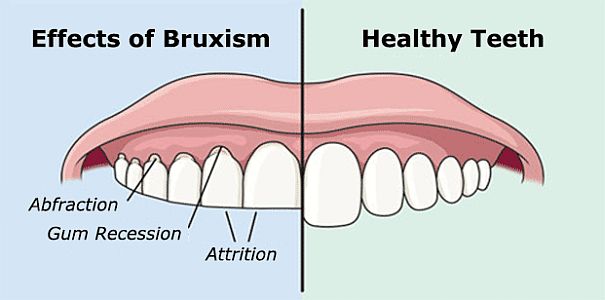
The bruxism is a situation in which the patient strong squeezes the jaws, sometimes makes lateral movements at the time of tightening and therefore may occur, pain masticatory muscle pain, temporomandibular joint and tooth wear ranging from occlusal cervical wear near the gingival line and gingival recession. This situation is also very common in the appearance of tooth sensitivity, states the dentist in Janakpuri.

TREATMENT FOR TOOTH SENSITIVITY

The treatments at dental clinic in Janakpuri have to be directed in two directions.

  • You have to treat the cause, if there are cavities, you have to eliminate it and fill the space, if it is periodontal disease, treat it to control it. And if there is bruxism, treat it with the possibilities we have, discharge splints, physiotherapy, etc. In these cases, and mainly in periodontal disease, with the treatment we will not eliminate the sensitivity, so we will have to do a treatment specifically directed to the sensitivity, explains the dentist in Uttam Nagar.
  • Initiating conservative treatments, the most common, would be to use desensitizing pastes, mouthwashes, or gels. They tend to have a late onset of action and this can make the patient despair and not continue the treatment, but today they are quite successful, says the dentist in Janakpuri.

If the situation does not improve and there is localized hypersensitivity, the final and undesirable option is endodontics. It would be the devitalization and treatment of the tooth canals.

Although dentist in Janakpuri insist that it would be the last option.

Sometimes sensitivity appears after dental hygiene, this occurs because the tartar deposited in the root area of ​​the tooth is protecting it from thermal stimuli. This sensitivity usually disappears in a few days without treatment, although desensitizers can be used if necessary, says the dentist in Delhi.

Monday, February 8, 2021

How do I know if I need a root canal or a filling?


Patients who require any of these treatments, and ask themselves the classic question: How do I know if I need a root canal or a filling? The answer will be dictated by a professional in the area, according to the symptoms and the state in which the tooth is found.

In general terms, a root canal treatment in Janakpuri is carried out when the tooth is very deteriorated and the treatment encompasses from the crown to the root, achieving a deep cleaning of the canals by suppressing all the active bacteria that can affect the mucosa and even the bone. On the other hand, a filling only comes into contact with the crown of the tooth, attending to the reconstruction of the tooth externally and solving the damaged dental structure.

These two practices are related because a malpractice of a filling can generate that the patient needs a root canal, if the filling is not well implanted, saliva, bacteria can leak and contaminate the dental pulp where the nerves and blood vessels are.

Ultimately, the choice of any treatment will depend on how serious the situation is, endodontics at dental clinic in Janakpuri or anywhere else, will be applied when the dental pulp is exposed regardless of the reason. Where cavities represent a risk factor that induces a root canal if it is not treated in time. It should be noted that fillings are temporary solutions that usually act as a restorative remedy for the tooth, but not to cure.

What is a root canal?

Endodontics or root canal treatment in Uttam Nagar is a process of eliminating tissues that are infected as a result of an infection that has taken a more complicated course towards the canals of the tooth. Their respective cleaning and filling of the canals is accessed, with the sole objective of eliminating the infection and maintaining the natural tooth.

It is highly recommended to solve future oral problems. The practice of this treatment can be given for various reasons such as: pulpitis, due to apical periodontitis and even trauma.

Advantages of endodontics

The dentist in Janakpuri looking through a root canal, eliminate pain caused by infection and of course preserve the natural tooth. The importance of root canal treatment in Janakpuri is quick access to professionals to avoid having to extract the tooth and access the placement of a dental implant.

  • Roots out retained infection from internal to external
  • The pain will not exist during the practice of this treatment
  • The filling materials are compatible with the tooth
  • Eliminates pain that predominates due to infection
  • Effective solution that will avoid undergoing invasive treatments that are much more expensive

How is endodontics performed?

This procedure can be divided into different stages, among which we can highlight the following:

  • Incorporation of anesthesia: it is necessary that anesthesia be applied to the area with which you work, it is a difficult task because the pulp is affected, however it is mandatory so that the patient does not feel pain and the working time is assured.
  • Tooth opening: an opening is made through the crown, the enamel and dentin must be removed in order to reach the coronal pulp.
  • Respective duct cleaning: when the channels corresponding to the pulp are reached, they must be cleaned.
  • Obturation process: when the objective of the canals has been completed, the area must be sealed with a material known as gutta-percha, it is a seal that will prevent bacteria from leaking. Following its sealing, the external area of ​​the dental piece will be covered with the material that the client decides, and the treated area will be completely closed to avoid future infections.

What is a filling?

It is a treatment carried out especially to treat cavities. It is used to save the natural tooth with different materials be it metal, composite or resin and thus prevent the caries infection from continuing to advance.

The dentist in Uttam Nagar affirm that this treatment is not a concrete or final solution, it needs a good process prior to the implantation of a filling and thus ensure that the work carried out with the filling will not have future problems that require the performance of a root canal.

Advantages of filling

  • It is a non-invasive treatment, it is characterized by being painless, fast and does not require much difficulty.
  • It guarantees the recovery of both dental aesthetics and functionality.
  • Eliminates pain and potential tooth discomfort caused by the condition.
  • Reconcile a state of complete oral health, conceiving a healthier mouth.
  • It grants the elimination of any type of pathogen that influences the appearance of other cavities and even allows to eliminate bad breath.
  • It allows the dental appearance to be as before, returning to its natural state of quality and health, in the same way that it regains its respective functionality and a normal oral life can be returned without complications.

When is a filling done?

This is a doubt that invades the thoughts of patients, but it is very easy to determine. A filling will be performed when there is the presence of cavities that are in their initial state and not advanced.

Although it is true that cavities do not show symptoms during their first level, for this reason it is important to visit dental Clinic in Janakpuri to carry out the respective check-up. It is characterized as a profitable intervention if it is attended on time.

The importance of oral care

As in all medicine and diseases in general, oral health care is considered a discipline that requires a lot of attention and it is always advisable to make regular visits to dental clinic in Uttam Nagar. There is a term within dentistry that refers to the prevention of certain oral pathologies is preventive dentistry, the study of which seeks to prevent conditions such as cavities and periodontal diseases at all costs, and thus to establish care processes that are not highly invasive for the patient. As mentioned previously, cavities are usually one of the most common problems for which patients go to dental consultations with dentist in Delhi.

Wednesday, June 10, 2020

Types of dental procedures

Each dental clinic in Vikaspuri that does not specialize in performing only a specific type of treatment (e.g. orthodontic or implantology) offers treatment covering at least several specializations. Not all facilities offer the same range of services, but you can certainly distinguish several basic types of dental procedures that are performed in the vast majority of dental clinics.

Dentistry
The first important type of dental procedures is those performed as part of conservative (general) dentistry. As part of this specialization, the best dentist in Vikaspuri deals with the prevention and treatment of the effects of dental caries. It is to the doctor in charge of conservative dentistry that we report for routine check-ups, also here tooth filling is performed and root canal treatment in Vikaspuri for the teeth disliked by most patients. The last type of procedures in the field of general dentistry are preventive procedures, i.e. those aimed at thoroughly cleaning our teeth of dental plaque and tartar and their additional protection against the development of caries bacteria.

Orthodontic treatment
The second type of dental procedures that are performed in many outpatient clinics is orthodontic treatment, i.e. the treatment of malocclusion. It involves wearing an orthodontic appliance, whose operation will gradually place the teeth in the right place in the dental arch. Orthodontic treatment is very often performed in cooperation with orthodontist in Vikaspuri. Before putting on the orthodontic appliance, it is often necessary to remove one or more teeth in the dental arch to create space for other teeth.

Dental surgery
A dentist in Vikaspuri is in the process of removing teeth before planned orthodontic treatment. So, if we want to undertake the treatment of malocclusion, it is worth considering choosing a dental clinic in which doctors of both specialties receive. Such an institution is, for example, Dr. Kamra’s dental clinic in Uttam Nagar.

Supporting orthodontic treatment is, of course, only an expression of the duties of a dentist in Uttam Nagar. As part of the procedures performed, he also deals with the wisdom teeth removal in Vikaspuri that have no place in the dental arch and extractions of teeth that could not be saved through endodontic treatment. In addition, the best dentist in Uttam Nagar also performs root tip resections, hemi sections, lifting the bottom of the dental sinus, or controlled bone regeneration before implantation of dental implants.

Prosthetics and implantology
In dental clinic in Janakpuri, we also get help in cases of loss of natural teeth. Teeth restoration is done by prosthetics and implantology. Rebuilding lost teeth, we have at least several options to choose from. A specialist dentist in Janakpuri will help us in choosing the best one in a given case. We can decide to have a movable or permanent denture or to implant dental implants. Dental implant in Janakpuri are the best solution because they allow the reconstruction of not only the crown of the tooth, but also its root, thanks to which we recover not only the aesthetics of the smile, but also the full functionality of the chewing system. However, implant placement is relatively expensive, which is why in the case of major missing teeth, traditional dentures are still the most popular.

Wednesday, June 12, 2019

HOW TO CARE FOR DENTAL IMPLANTS?

implant

You just put on dental implants at dental clinic in Uttam Nagar and you're already thinking that suddenly you're going to get rid of brushing your teeth for the rest of your life. No, you're going to have to take care of the implants too.

It is clear that the prosthesis that you have placed will not have decay but brushing does not clean only the crown of the teeth, we must also take care of the gums that is where the implants are inserted and that can also become ill, says dentist in tilak nagar.

According to the dentist in Janakpuri, the periodontitis is the disease responsible for many of the patients lose their teeth gums and therefore have to resort to implants. When we no longer have teeth (odon), periodontitis is called periimplantitis, i.e. swelling around the implant and may be responsible for losing them.

This is why we have to take care of oral hygiene also when we have dental implants.

FIRST CARE AFTER THE PLACEMENT OF DENTAL IMPLANTS

The first days after the placement of dental implants in Janakpuri we must be careful, not in vain the area is somewhat sore and probably a little inflamed.

IN THOSE FIRST DAYS WE MUST:
  • Take a smooth diet the first few days so as not to subject the area to many efforts.
  • Do not take hot foods or drinks.
  • The same day of the operation we should avoid brushing and rinsing. Then we must have a careful oral hygiene, brush very gently and rinse with water and salt.
  • Apply ice on the face if there is inflammation.
  • Do not make efforts or practice sports, a couple of days of rest come well always. And if you are sunbathing in a hotel without doing anything, then much better. In any case, it is almost always possible to lead a normal life.
  • Follow the indications of the implantologist and take the prescribed medication.
  • Do not smoke, tobacco harms the correct blood supply to the gums. Alcohol is not convenient as well as spicy and anything that can be irritating.
CARE AND HYGIENE OF DENTAL IMPLANTS

As you already come to suspect the reality is that you will not get rid of maintaining good oral hygiene whether you have a unit implant or if you have replaced all your teeth with dental implants, says dentist in Uttam Nagar.

It is important to brush the crowns and also the interdental spaces in addition to taking care that or food remains are inserted between the prosthesis and the gum.

Remember also that although the prosthesis do not have decay, the bacteria are still there and their action on the remains of food also produces halitosis.

For cleaning we will do the usual, soft brushing and use interdental brushes and dental floss or floss. The dental irrigator will be a good ally that will allow us to reach the least accessible places more effectively.

Another fundamental point is to go to each and every one of the reviews that the specialist pays us, the normal thing is that every 6 months we go to dental clinic in Janakpuri to review to check that everything is going well and once a year we do a professional cleaning in the dental clinic.

As the best dentist in Tilak Nagar says, dental implants are not an inexpensive treatment although they give many satisfactions since they give you back the possibility of biting, of smiling and often of kissing and even of pronouncing correctly, so take care of them!

Thursday, February 28, 2019

4 Tips to Combat Bruxism

bruxism

Bruxism is the unintentional habit of clenching or chewing your teeth. Currently, more than 60% of Indians suffer from it, but why do we clench our teeth unintentionally? Dentist in Tilak Nagar explains what bruxism is and how to improve our oral health.

The bruxism may be daytime, i.e., clench your teeth unconsciously throughout the day and night bruxism, which inadvertently clench our teeth when sleeping, especially as a matter of stress.

According to Dentist in Janakpuri, Bruxism can be mild and may even not require treatment. However, it can be regular and bad enough to cause jaw disorders, headaches, damaged teeth and other problems.

Therefore, it is important to know the signs, symptoms and complications that can be generated in our mouth.

The signs and symptoms of the bruxism
  • To twist or clench your teeth so hard as to wake up a couple when sleeping, or without sound, just pressure.
  • Lately you see your teeth more worn, flattened, fractured or chipped.
  • You have worn out tooth enamel making the deeper layers of the tooth visible.
  • As a consequence of the previous one, dental sensitivity increases.
  • Pain in the jaw or stiffness in the muscles of the jaw.
  • As a result of the mandibular contractions, earaches, headaches, chronic facial pain may arise.
Possible causes of bruxism
  • Increased anxiety or stress can lead to teeth grinding.
  • An abnormal alignment of the upper and lower teeth, which we know technically as malocclusion.
  • Stimulant substances: tobacco, the consumption of drinks with caffeine or alcohol can increase the risk of bruxism.
Techniques to improve and avoid bruxism

Stress control: Advise yourself on relaxation techniques, such as exercise or professional meditation. In the case of the youngest ones, if they suffer from nocturnal bruxism, try to relax them with a warm bath before going to bed and reading their favourite story.

Discharge splints: A splint is a removable device usually made with hard, semi-rigid or soft acrylic resin, depending on the objectives we pursue. These devices are usually placed, also frequently, in the teeth of the upper arch, although they can also be placed in the lower part of the mouth to prevent damage to the teeth.

Orthodontics: Correcting misaligned teeth at Dental Clinic in Janakpuri can help reduce bruxism if it is related to this problem.

Ceramic Covers: In the most serious cases, when the wear of the teeth is more and more accused, this solution is resorted to by Dentist in Uttam Nagar. This will not prevent the patient from continuing to have bruxism but it will improve their quality of life and their aesthetics.


If you think you suffer from bruxism, do not forget to go to your Dental Clinic in Uttam Nagar so that the professional can diagnose this disorder and solve it as soon as possible.

Monday, February 25, 2019

DENTAL CURETTAGE

One of the main oral problems in our country are periodontal diseases. According to a recent study, eight out of ten people over 35 suffer from gingivitis or periodontitis. Although the main theme in today's post is dental curettage in order to first carve out the main inequalities that these two pathologies present.

dental_curettage

What are the differences between gingivitis and periodontitis?

Gingivitis is the mildest. Its treatment is based on proper oral hygiene and Oral Cleaning.

Periodontitis is also known as pyorrhoea. This pathology can cause irreparable damage to teeth and gums.

In the first phase of the disease appears gingivitis.

According to best dentist in Tilak Nagar, this problem is the result of inadequate oral hygiene. The lack of hygiene or a bad brushing produces an accumulation of bacteria due to the fact that the remains of food are not extracted correctly. The main symptoms that show are bleeding, inflammation and redness of the gums. If this initial problem is not corrected in time, it will expand, occupy more healthy tissue and produce receding gums; appearing periodontitis. This fact in turn will give rise to sensitivity, negatively impacting the aesthetics of the teeth. In many cases this circumstance causes the loss of these.

Thus, we can see that if it is a gingivitis can be corrected with proper oral hygiene. In case of being the most serious pathology, that is to say the periodontitis it will be necessary a suitable treatment like a scaling and root planing, says Dentist in Uttam Nagar.

What is a scaling and root planing?

Scratching and root isolation is known as dental curettage. It is a dental system that is performed in pyorrhoea treatments. This is carried out when the disease has spread to the inside of the gums, causing periodontal pockets, says Dentist in Janakpuri.

What does it consist of?

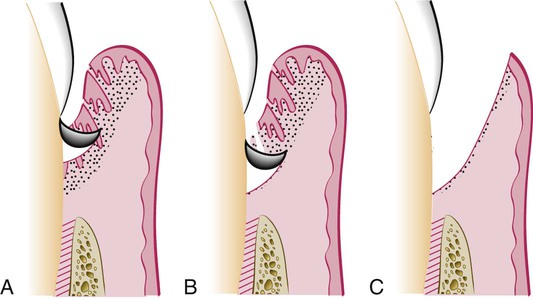
It is done using devices called curettes. These curettes are divided according to their function; since they differ in size, length and angulation as well as dental pieces: incisors, canines, premolars or molars. The first step is to access the periodontal pockets. To do this, it is necessary to scrape the gums and then remove the tartar stored below them and proceed to smoothing the root of the tooth.

Does a dental curettage hurt?

According to dentist in Tilak Nagar, the dental scraping and smoothing do not cause pain since it is done under the effects of anaesthesia. This is applied locally at Dental Clinic in Uttam Nagar. However, usually the first symptoms of pain appear after the process is finished and the anaesthesia has stopped working. In this way we can say that dental curettage hurts once the intervention is finished. In case dental curettage presents complications, you can consult with the dentist about the medication to be taken. In this way, altogether we can say that dental curettage has no side effects or hurts.

The dental curettage how often is it done?

A complete procedure of these characteristics, as a general rule, is carried out in two sessions at Dental Clinic in Janakpuri. The first two-hour session deals with the study of curettage in two parts of the mouth. The second session is held after a few days and its duration is one hour. It proceeds to the scraping and root planing in the other two parts of the mouth.

Is this procedure expensive?

The dental curettage and price depend on the dental clinic responsible for carrying out this intervention. In our Dental Clinic in Janakpuri we have affordable prices for this type of treatment.

Thursday, February 7, 2019

Dental Sensitivity and Cold


Dental sensitivity and cold
With the arrival of winter, that cold air characteristic of the winter season makes its appearance. For many people only, the fact of breathing causes them real dental discomfort. These discomforts can be caused by cavities or by receding gums, among other factors. Currently, this unpleasant situation is suffered by 7 out of 10 people in adulthood and are mainly women between the ages of 18 and 40, says best dentist in Tilak Nagar.

Do your teeth suffer sensitivity to cold?
According to Dentist in Janakpuri, the main reason why your teeth are sensitive to cold is because the dentine has lost its protective shell. It is usually under the protection of the gum, a mesenchymal tissue known as root cement and tooth enamel. When unprotected, it is exposed to the negative reactions of external factors. Dentin is made up of a large number of tiny tubes that are known by the name of dentinal tubules. These tubes have the mission of connecting the outer face of the teeth with their nerve endings.

For what reasons does this tooth sensitivity occur?
The dental sensitivity, as mentioned above appears for the lack of protection in the dentin. Also, the causes that produce this protective loss can be as a consequence of different reasons:

Cavities
If a caries reaches the heart of the dentine, filtering through the tooth enamel, it will result in a painful reaction to cold, hot or acidic foods or drinks.

Damaged dental pieces
As in the previous case, if the dentin is damaged when a tooth is broken or splintered, it will result in teeth sensitive to cold or heat.

Receding gums
This anomaly of the gums can be the result of bad brushing or a periodontal pathology.

Damaged tooth enamel
An extremely abrasive toothpaste, the use of an inadequate toothbrush or suffering from bruxism are the main causes of tooth enamel in poor condition.

Is there treatment for tooth sensitivity?
The best dental treatment for dental sensitivity is in ourselves. Maintaining a healthy diet, avoiding abuse of overly acidic foods and beverages such as citrus juices, wine or vinegars. Similarly, avoiding habits of bad behaviour, such as using a toothpick, smoking or drinking in large quantities, will help us avoid any kind of sensitivity in the teeth, says dentist in Tilak Nagar. A correct oral hygiene, using a toothpaste and specific rinses, designed for sensitivity, will allow us to avoid various oral problems. In the same way, periodic visits to the Dental Clinic in Janakpuri will avoid dental sensitivity with their treatment.

Is there something more behind the sensitivity in the teeth?
According to Dentist in Uttam Nagar, besides feeling sensitivity in the teeth, this ailment can hide other diseases of greater importance. This sensitivity can be the voice of alarm before the appearance of an untreated caries. At the same time, the gums whose main function is to protect the teeth, can neglect this function, warning us through hypersensitivity of the presence of gingivitis or periodontitis. Another alarm situation can occur when teeth are misaligned or stacked. As a result, one of the teeth can leave the dentine unprotected, warning us in turn that we need orthodontic treatment or Dental Implants in Uttam Nagar.

If you feel discomfort in the teeth with the cold;
We recommend a comprehensive review from the Dental Clinic in Uttam Nagar, which will analyse the state in which your teeth are found, as well as the rest of the components of your oral cavity.